Transportation
NC State champions sustainable transportation for a healthier planet and community.
At NC State, movement is constant. From work to class and everywhere in between, students, faculty and staff travel to, from and around campus.
NC State champions sustainable transportation options to reduce traffic, energy use and greenhouse gas emissions and foster a healthier, more connected Wolfpack community.
NC State students, employees and visitors are encouraged to:
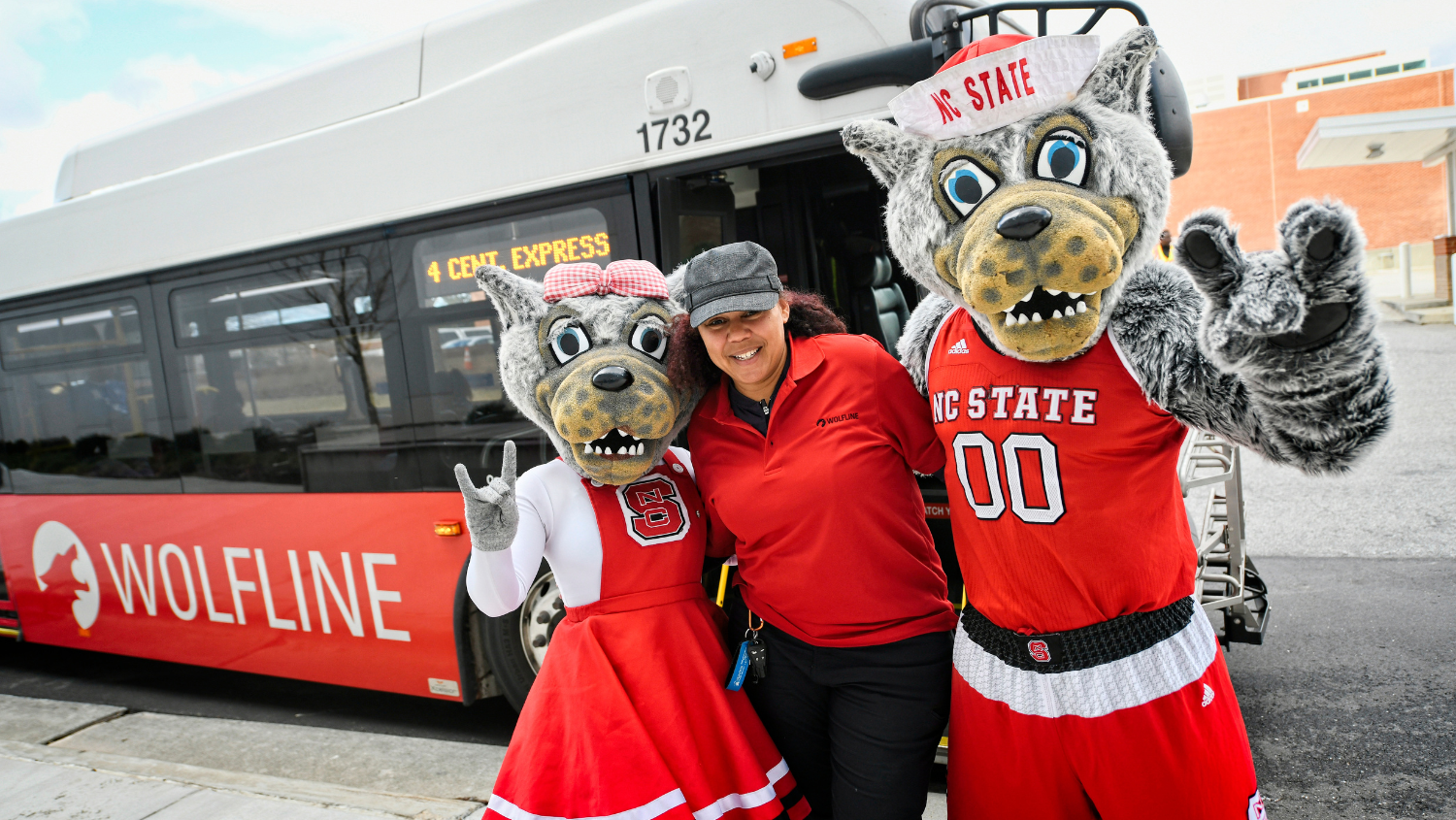
- Ride the Wolfline or a regional/local bus for easy travel to and through campus
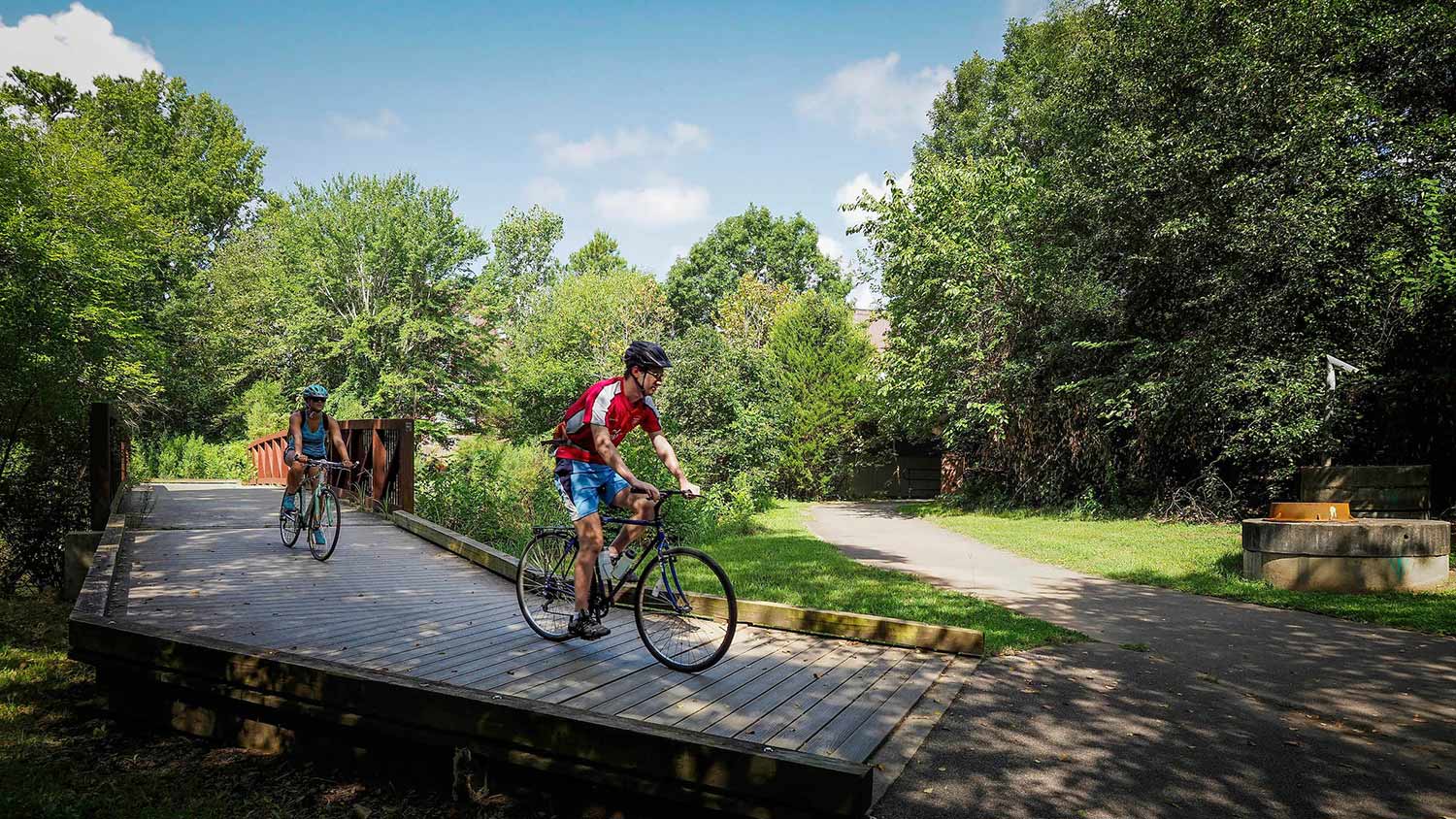
- Cruise campus by bike, e-bike or scooter
- Walk as part of an active, healthy lifestyle
- Choose to carpool or vanpool to save gas and money while also reducing pollution
Resources
- NC State Transportation Office
- Clean Transportation Resources from the NC Clean Energy Technology Center at NC State
- Fuel What Matters alternative transportation resources
- Institute for Transportation Research and Education
- FREEDM Systems Center
- Center for Transportation and the Environment
